
Updated: August 2026 | Arij Global Trading (Arijco)
Arij Global Trading (Arijco) recognizes that steel billet procurement in 2026 is no longer just about finding the lowest FOB or CFR price.
For re-rolling mills, traders, distributors, and industrial buyers across South Asia and the Middle East, the real challenge is finding the right balance of quality, landed cost, reliable shipment, and commercial flexibility.
A strong procurement strategy should therefore look beyond the quotation itself. Buyers need to evaluate specifications, supplier capability, inspection, logistics, payment terms, documentation, and delivery risk.
This guide explains how to compare billet offers and make better international sourcing decisions.
What Should Buyers Prioritize When Procuring Steel Billet?
The most important factor is total procurement value, not simply the lowest quoted price.
A cheaper offer can quickly become expensive if it comes with inconsistent chemistry, poor dimensional accuracy, delayed shipment, high freight costs, or unfavorable payment terms.
A reliable billet supplier should therefore perform well in four areas:
- Technical compliance
- Competitive commercial terms
- Logistics capability
- Supply reliability
These factors should be assessed together.
Start With the Right Billet Specification
Before requesting quotations, buyers should define exactly what their rolling mill or production line requires.
Key parameters normally include:
- Steel grade
- Intended application
- Billet dimensions
- Required length
- Chemical composition
- Carbon and manganese limits
- Sulfur and phosphorus limits
- Surface condition
- Dimensional tolerances
- Applicable ASTM, BS, EN, GOST, or customer standards
For rebar and wire-rod producers, consistency between heats is particularly important.
Even small variations can affect rolling performance, energy consumption, yield, and finished-product quality.
Clear specifications also make it easier to compare different offers fairly.
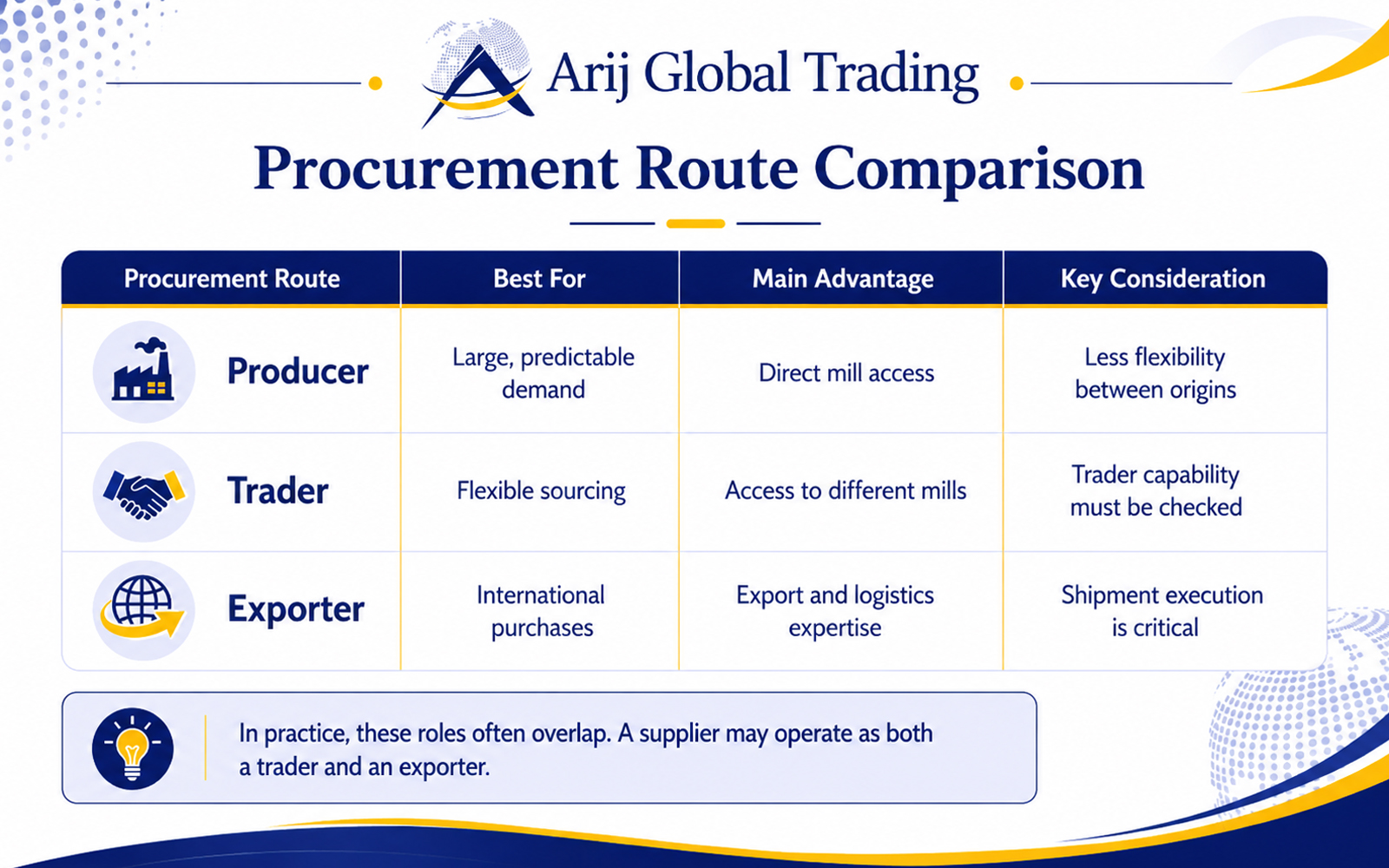
Billet Supplier, Producer, Trader or Exporter Which Is Right for Your Business?
There is no single option that works for every buyer.
A billet producer may suit companies looking for direct mill allocation, standardized grades, and predictable large volumes.
By contrast, a billet trader can offer more flexibility by comparing different mills, origins, shipment periods, and commercial conditions.
For international purchases, a billet exporter also needs experience with documentation, freight, inspections, port procedures, and destination-market requirements.
However, the shortest supply chain is not always the best one.
Instead, the better option is the route that provides the strongest combination of quality, availability, logistics, price, and commercial flexibility.
How Should Buyers Compare Steel Billet Prices?
Do not compare billet offers using FOB price alone.
The more useful measure is total landed cost.
This may include:
- Billet price
- Ocean freight
- Insurance
- Inspection costs
- Port charges
- Handling costs
- Financing expenses
- Inland transportation
- Payment-term impact
As a result, two offers with almost identical FOB prices can have very different final costs once they reach Chattogram, Karachi, Jebel Ali, Sohar, or another destination port.
Why the Cheapest Billet May Cost More
A low purchase price does not always mean a low production cost.
Problems involving steel billet specifications, such as dimensional variation, inconsistent chemistry, surface defects, incorrect documentation, or delayed loading, can lead to:
- Lower rolling yield
- Extra handling
- Production delays
- Quality claims
- Inventory shortages
- Additional working-capital costs
For this reason, experienced buyers evaluating a billet supplier compare price and performance together rather than selecting an offer based on headline price alone.
What Drives Steel Billet Prices in 2026?
Billet prices are affected by several connected market factors.
Important drivers include:
- Scrap and iron ore prices
- Energy costs
- Mill operating rates
- Regional demand
- Export availability
- Exchange rates
- Freight costs
- Vessel availability
- Trade policies
- Financing conditions
- Finished-steel demand
A single published price therefore does not provide the full picture.
Buyers should look at how raw materials, freight, demand, currency, and mill availability are moving before deciding whether an offer is attractive.
Steel Billet Procurement Strategy for South Asia
South Asian markets are often highly price-sensitive.
At the same time, import economics and rolling margins can change quickly.
Buyers in Bangladesh, Pakistan, India, Sri Lanka, and nearby markets should consider:
- Shipment timing
- Parcel size
- Freight economics
- Mill availability
- Financing structure
- Port capability
- Import requirements
- Rolling-mill specifications
- Local steel demand
When evaluating billet suppliers in South Asia, buyers should focus on both technical consistency and commercial flexibility.
Spot Purchase or Longer-Term Supply?
Spot procurement can work well when:
- Prices are falling
- Inventory is sufficient
- Demand visibility is limited
- Buyers want more origin flexibility
Longer-term supply may be more suitable when:
- Continuous production is essential
- Monthly demand is predictable
- Chemistry consistency is important
- Supply interruptions would be expensive
Neither approach is automatically better.
The right choice depends on inventory, cash flow, production planning, and market risk.
Steel Billet Procurement Strategy for the Middle East
Middle Eastern buyers often serve several markets at once.
These may include local construction, re-rolling, distribution, trading, and re-export.
Procurement decisions therefore need to balance:
- Specification
- Origin
- Freight advantage
- Shipment flexibility
- Inventory requirements
- Regional demand
- Payment terms
- Re-export opportunities
For buyers in the UAE, Oman, Saudi Arabia, Iraq, and nearby markets, sourcing flexibility can provide a clear commercial advantage.
Why Supply Diversification Matters
Relying on only one mill or origin creates additional risk.
A second approved supply source can help when:
- Mill production changes
- Freight rates increase
- Port congestion develops
- Payment routes become difficult
- Trade rules change
- Demand suddenly strengthens
Diversification is therefore more than a buying tactic. It is part of supply-chain risk management.
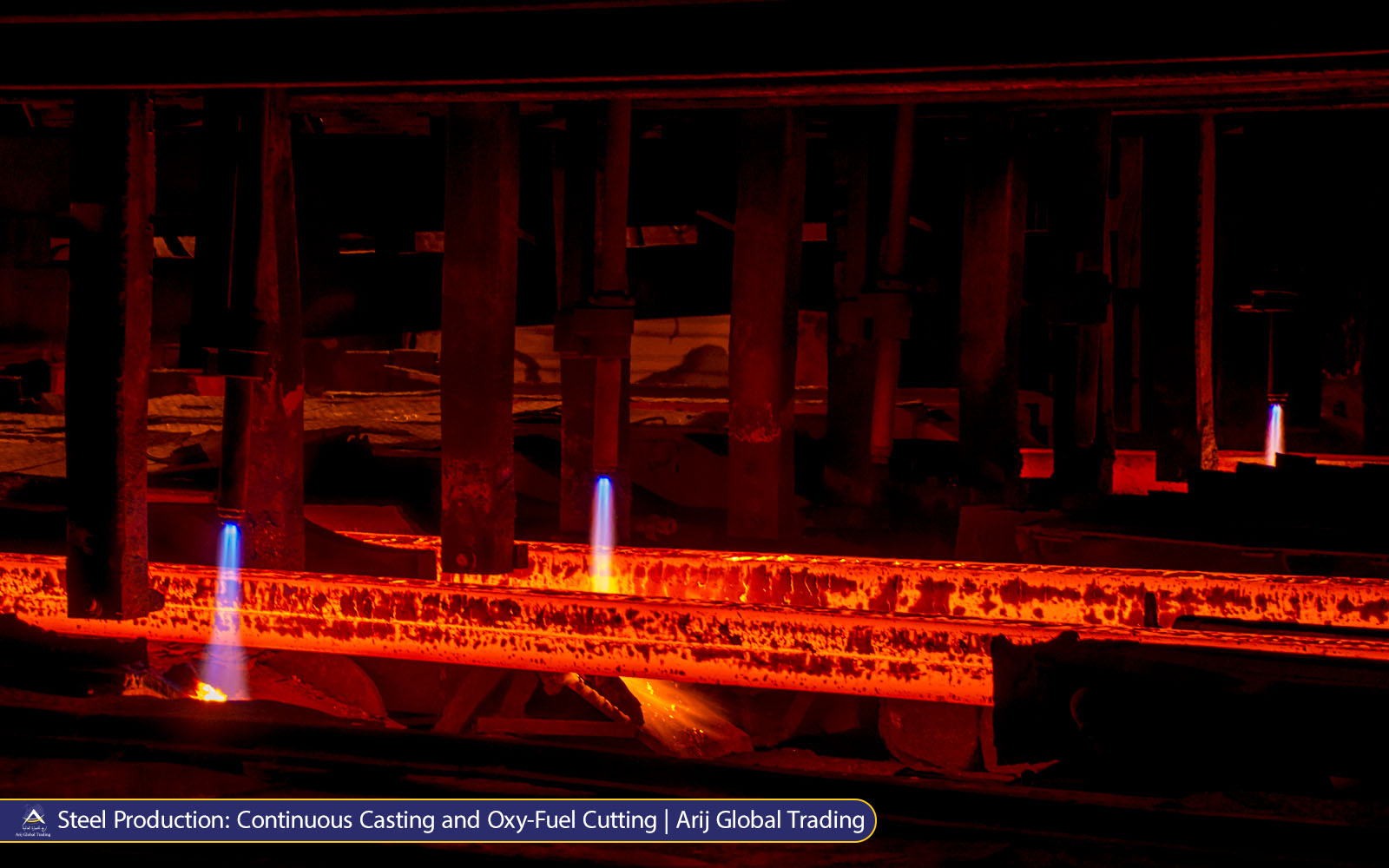
How to Evaluate a Billet Supplier Before Ordering
Supplier evaluation should cover three areas: technical, commercial, and logistics performance.
Technical Evaluation
Check:
- Mill Test Certificate (MTC)
- Steel grade
- Chemical composition
- Billet dimensions
- Dimensional tolerances
- Surface quality
- Inspection information
The goal is simple: confirm that the billet matches the buyer’s production requirements.
Commercial Evaluation
Confirm:
- Price basis
- Incoterm
- Quantity tolerance
- Shipment period
- Payment terms
- Offer validity
- Inspection responsibility
- Claim procedure
These conditions should be compared together, not separately.
Logistics Evaluation
Verify:
- Loading port
- Destination port
- Shipment method
- Breakbulk or container suitability
- Cargo preparation
- Port limitations
- Required documents
Poor logistics execution can disrupt production even when the material itself is acceptable.
Why Third-Party Inspection Matters
Third-party inspection helps reduce the gap between the agreed specification and the delivered cargo.
Depending on the transaction, inspection may include:
- Dimensional checks
- Visual examination
- Quantity verification
- Heat-number identification
- Document review
- Sampling
- Laboratory testing
For new suppliers or technically sensitive orders, inspection requirements should be agreed before the contract is finalized.
This is far easier than resolving quality disputes after shipment.
What Should Be Included in a Billet Contract?
A good contract should clearly define the responsibilities of both buyer and seller.
Important points may include:
- Product and grade
- Quantity
- Tolerance
- Dimensions
- Length
- Chemical requirements
- Price
- Incoterm
- Payment terms
- Shipment period
- Inspection method
- Required documents
- Claim procedure
- Applicable law
- Dispute resolution
The contract does not need to be overly complicated.
It simply needs to make the most important commercial and technical terms clear.
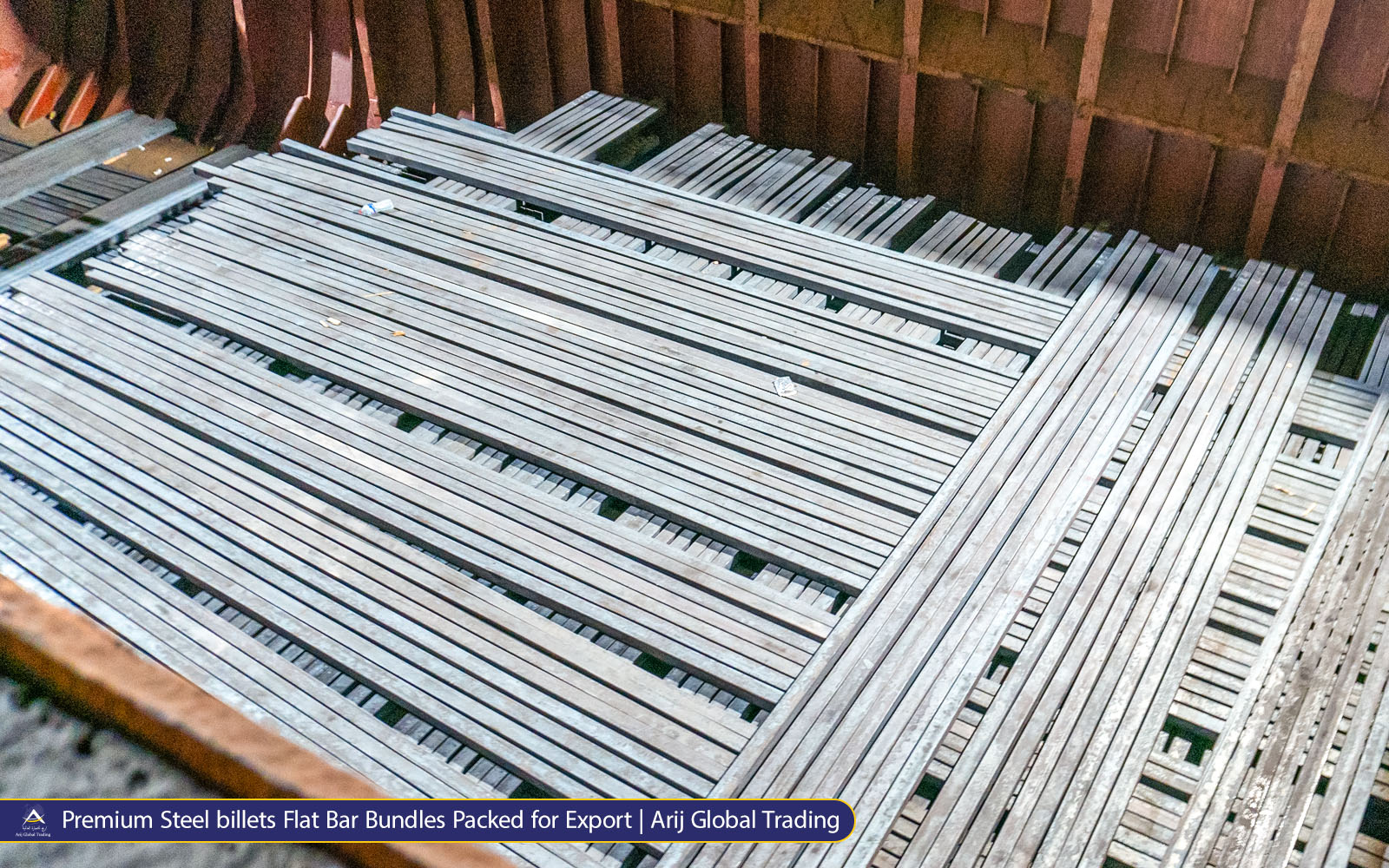
How Arij Global Trading Supports Billet Procurement
Arij Global Trading (Arijco) supports international buyers seeking steel billet supply for industrial and re-rolling applications.
Billet enquiries can be assessed based on the actual requirements of each transaction, including:
- Grade
- Dimensions
- Quantity
- Destination
- Shipment period
- Incoterm
- Inspection requirements
- Commercial terms
For buyers evaluating a billet trader, value should go beyond receiving a price.
A useful supply partner should help match available supply options with the buyer’s technical, logistics, and commercial needs.
What Should You Include in a Billet RFQ?
For a faster and more accurate quotation, provide:
- Steel grade
- Billet dimensions
- Length
- Quantity in metric tons
- Destination port
- Preferred Incoterm
- Shipment period
- Inspection requirements
- Preferred payment terms
A clear RFQ helps suppliers respond with relevant offers instead of generic quotations.
What is the most important factor when choosing a steel billet supplier?
Reliable delivery of the correct specification is the most important factor.
Price matters, but buyers should also consider quality, logistics, shipment reliability, payment terms, and landed cost.
Is it better to buy billets from a producer or a trader?
Neither option is always better.
Producers can suit large and predictable orders, while traders may offer more flexibility across mills, origins, and commercial terms.
How should buyers compare billet quotations?
Freight, financing, inspection, port charges, payment terms, and shipment timing should all be included.
What documents should buyers request?
Other documents may include the commercial invoice, packing or weight list, certificate of origin, inspection documents, and shipping documents.
How can billet importers reduce procurement risk?
Use clear specifications, supplier checks, inspection procedures, strong contract terms, and alternative approved sources.
These steps reduce technical, commercial, and logistics risk.