
How to choose a DRI supplier: South Asia market insights guide
What is DRI, and why does it matter
Direct answer for buyers
How DRI is produced
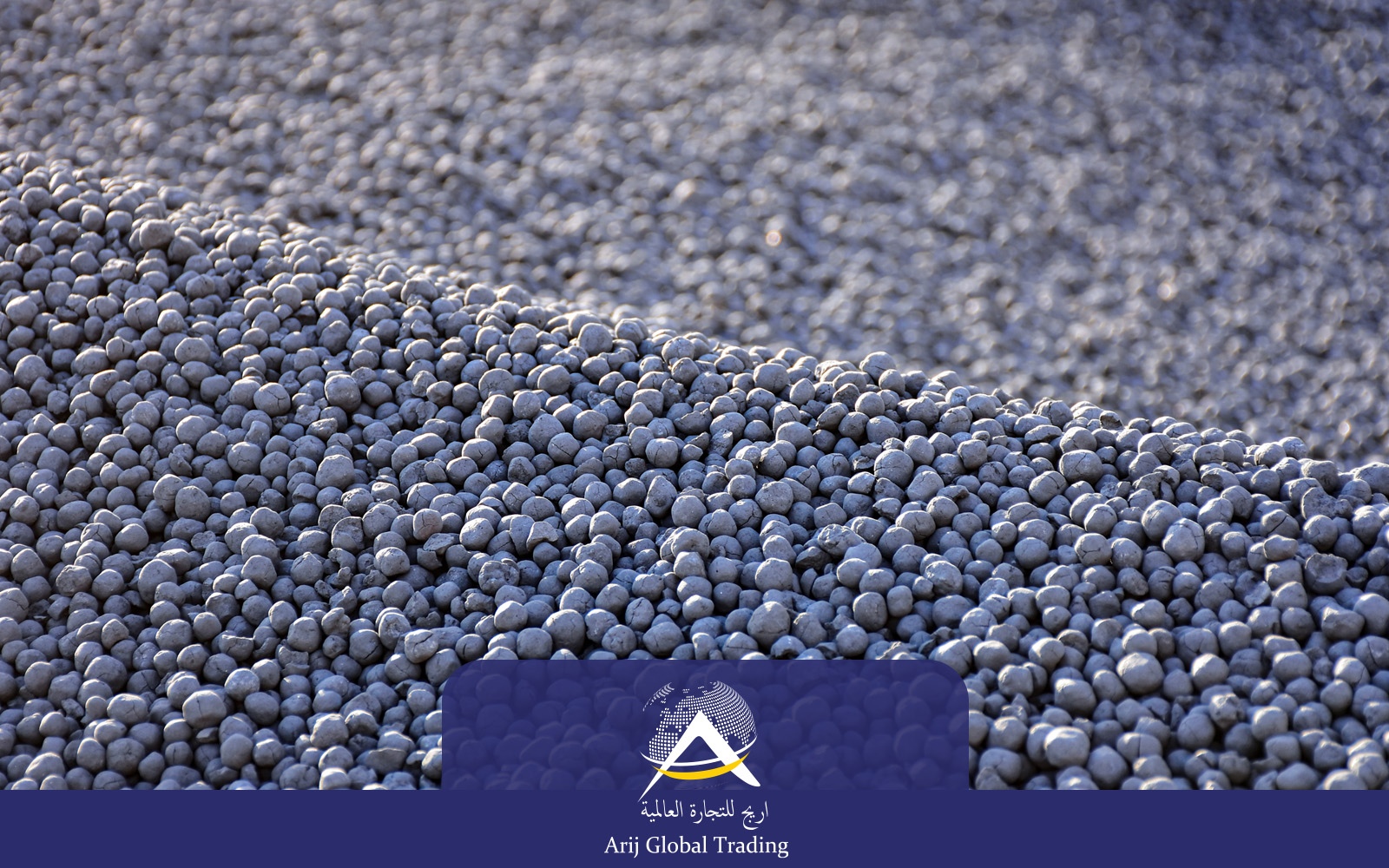
DRI is produced using gas-based reduction technology that removes oxygen from iron ore without melting. Arij Global Trading supplies premium gas-based DRI achieving 92% metallization and Total Iron 88 ± 1%. Consequently, it ensures consistent Fe content for industrial use, supporting predictable furnace performance and lower energy consumption.
Choosing the Right Billet Supplier in East Asia
As a result, professional billet exporter offer transparent documentation and optimized shipping routes. Therefore, partnering with regional billet supplier minimizes delivery risk and supports long-term procurement planning. Specifically, this structure enables buyers to secure stable volumes while aligning production schedules with Southeast Asia demand.
DRI supplier South Asia market overview
2025–2026 demand trends
South Asia is experiencing strong growth in EAF-based steel production. Therefore, DRI demand is rising in India, Pakistan, and Bangladesh. Moreover, infrastructure and construction projects are driving consumption. This increases pressure on reliable supply chains.
Supply challenges and opportunities
Gas price volatility has impacted DRI production costs globally. Therefore, regional sourcing strategies are becoming more important. Moreover, buyers now prioritize stable suppliers over lowest price. Reliable DRI supplier partnerships are critical. This reduces operational risk significantly. Therefore, regional sourcing strategies are becoming more important. Moreover, buyers now prioritize stable suppliers over lowest price. Reliable DRI supplie partnerships are critical. This reduces operational risk significantly.
Key factors when selecting a DRI supplier
Technical specifications that matter
Metallization rate directly affects furnace productivity and energy use. Therefore, buyers must demand high metallization above 92 percent a standard met by Arij Global Trading. Moreover, Fe content should remain consistent across shipments. Arij’s DRI offers Total Iron 88 ± 1% and is free from tramp materials (copper, zinc, tin, chromium) commonly found in scrap. This ensures stable steel output quality.
Commercial and logistics evaluation
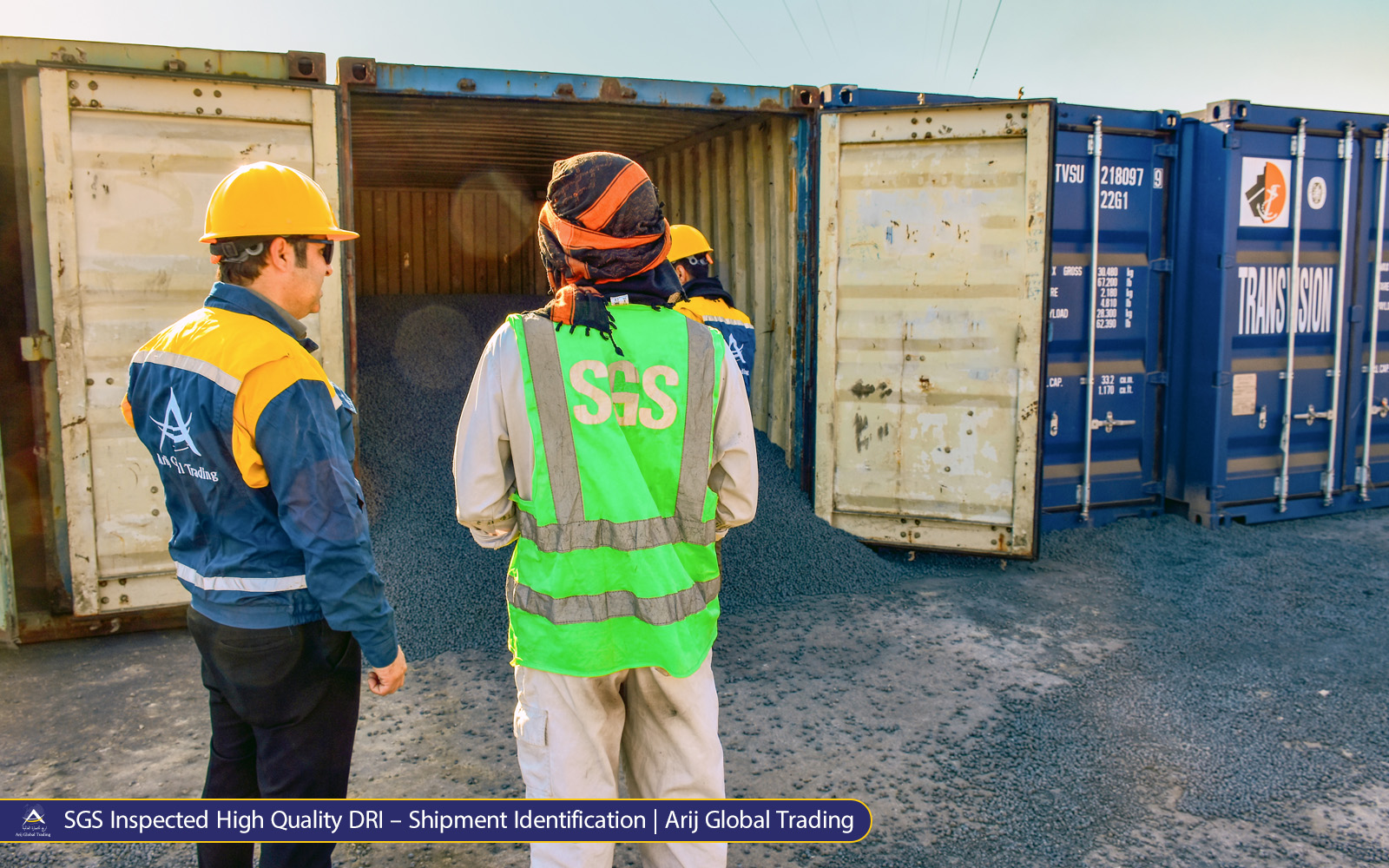
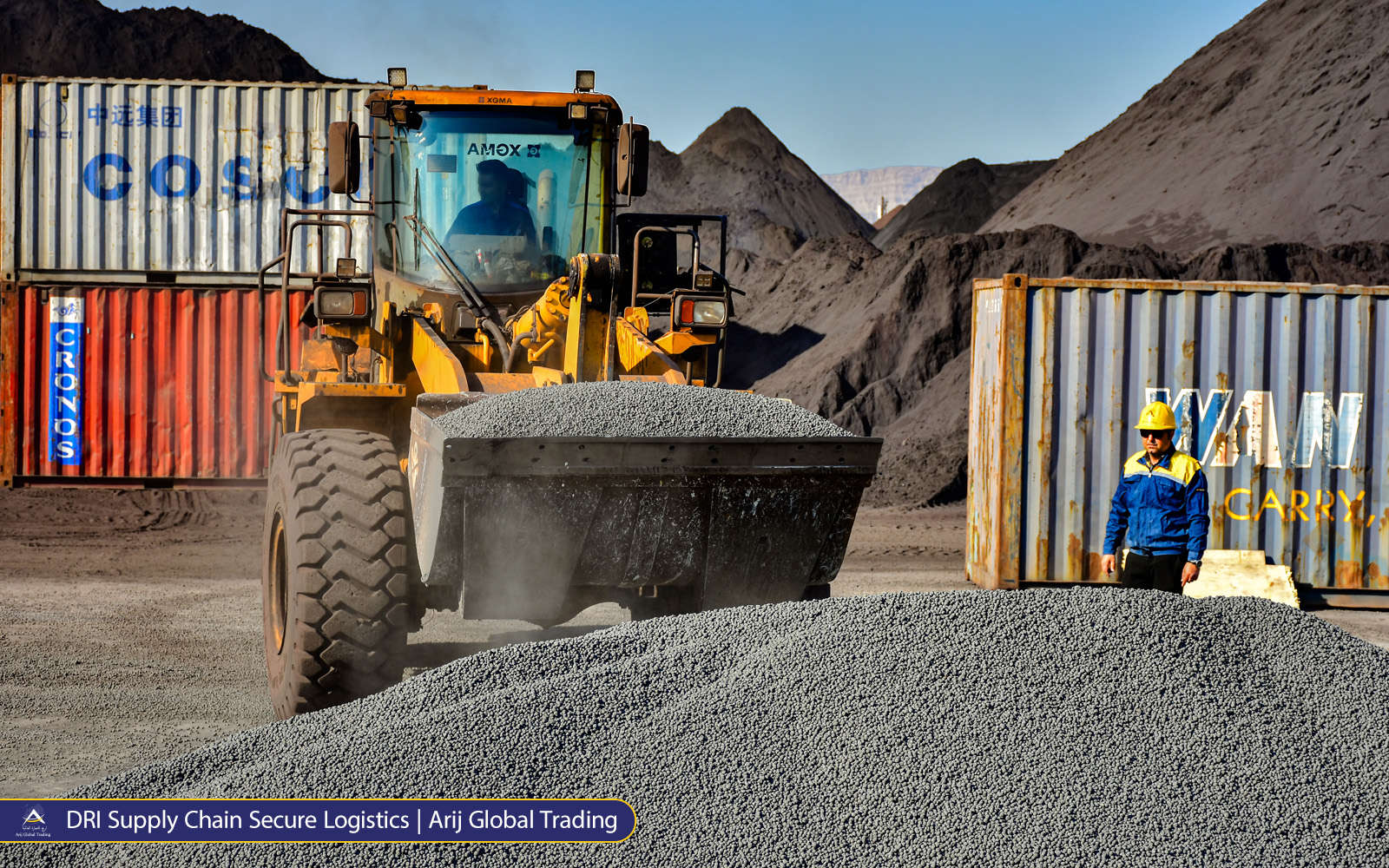
Supplier reliability depends on production capacity and export experience. Therefore, choose a proven DRI exporter with strong logistics support. Moreover, port handling and shipping timelines are critical factors. This avoids costly production delays.
Commercial and logistics evaluation
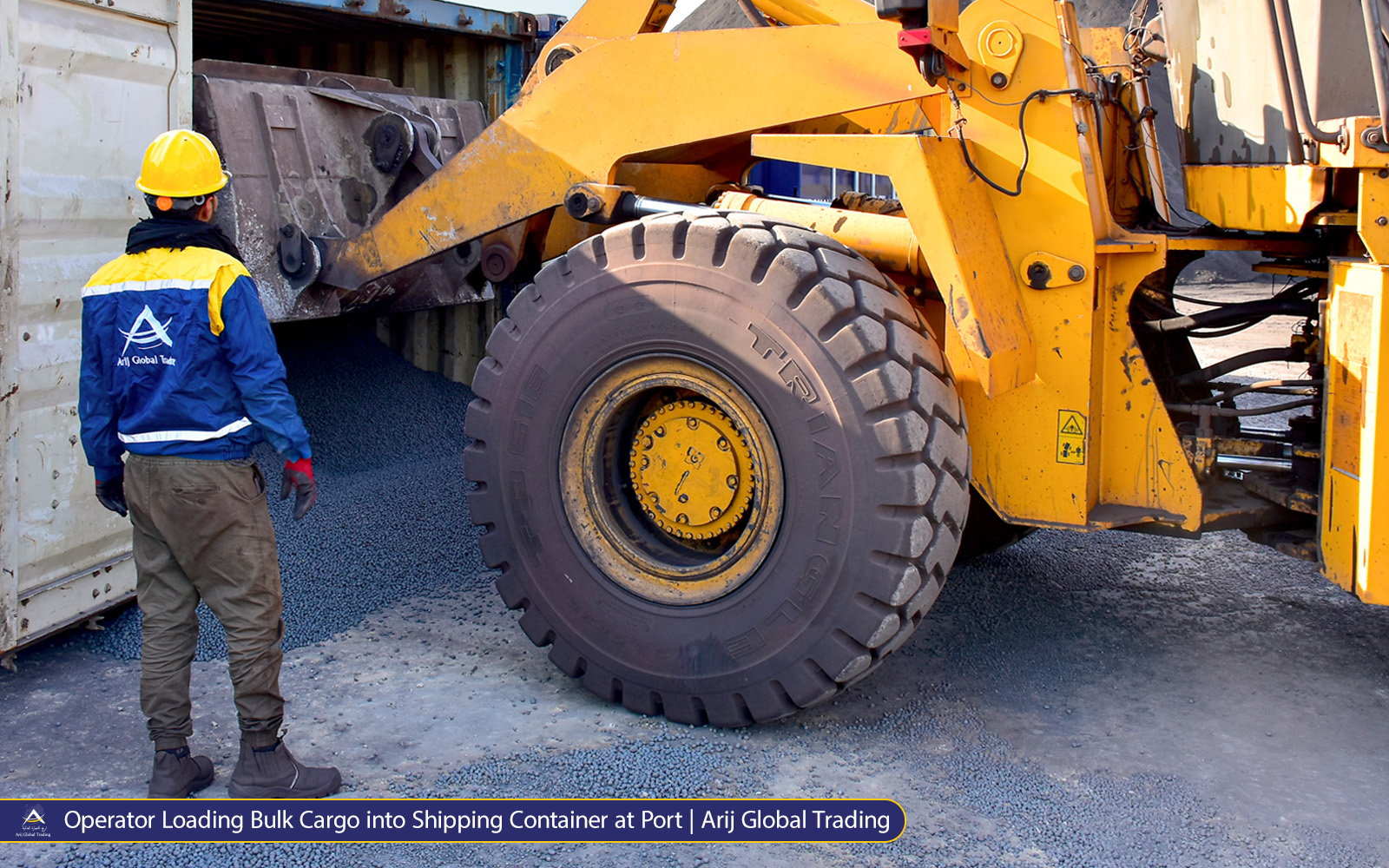
Supplier reliability depends on production capacity and export experience. Therefore, choose a proven DRI exporter with strong logistics support. Arij Global Trading offers both containerized (MOQ: 2,000 MT) and bulk shipments (MOQ: 10,000 MT) with flexible packaging options (Jambo bags or bulk). Moreover, port handling and shipping timelines are critical factors. This avoids costly production delays.
DRI pricing and cost structure
What drives the DRI price in 2026
Natural gas remains the primary cost driver in DRI production. Therefore, global gas fluctuations directly impact final prices. Moreover, freight rates from the Middle East to South Asia are rising. This increases the landed cost for buyers.
How buyers manage price risks
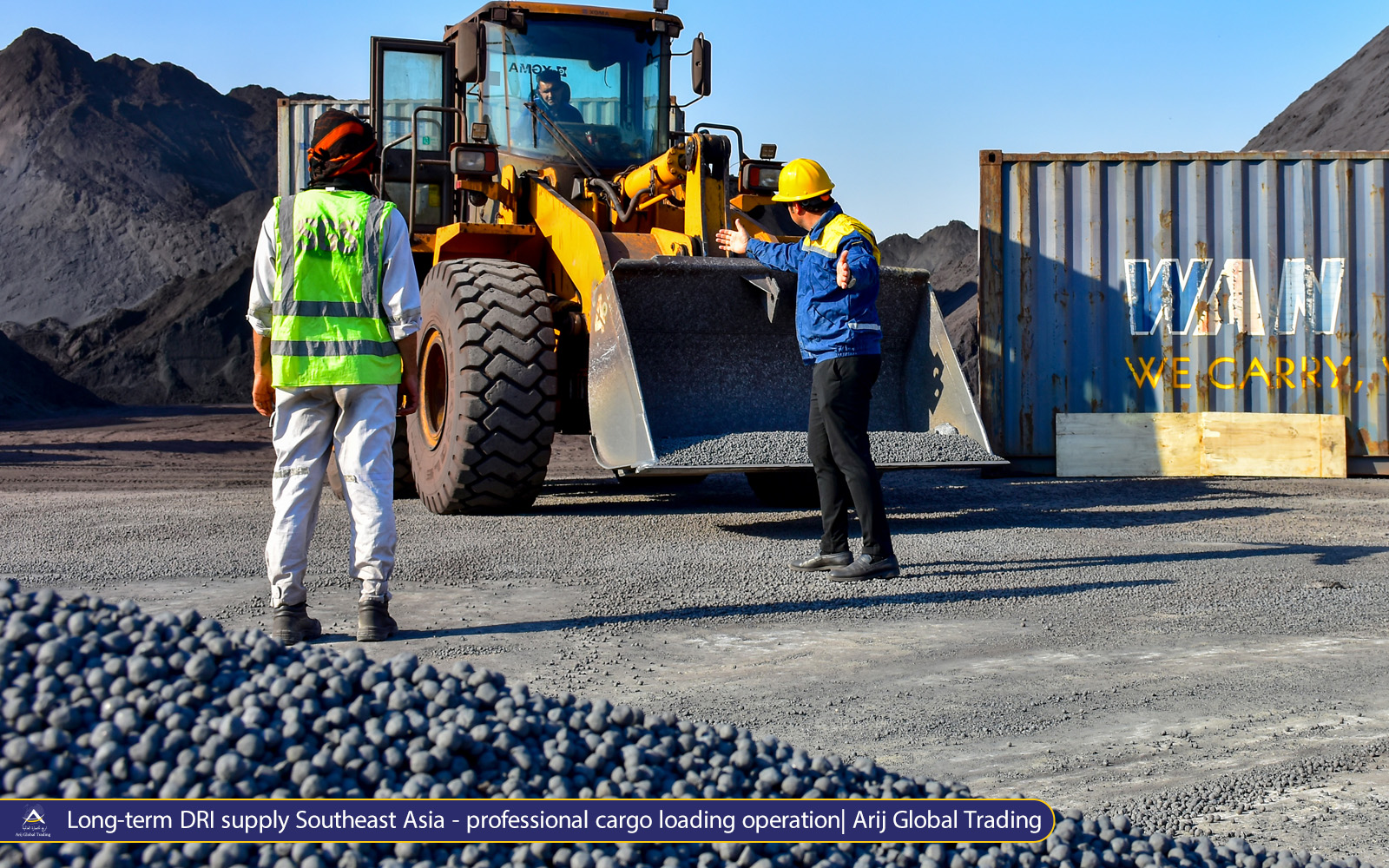
Many buyers now use long-term contracts to stabilize pricing. Therefore, they reduce exposure to market volatility. Moreover, monitoring DRI price trends helps better negotiation. Arij Global Trading’s experts provide regional support to help buyers secure competitive pricing through direct engagement. This improves procurement strategy significantly.
Procurement strategy for long-term DRI supply
Strategic sourcing approach
Buyers should diversify supply sources across multiple regions. Therefore, they reduce dependency on single-country risks. Moreover, combining spot and contract purchases improves flexibility. This ensures stable plant operations.
Building strong supplier partnerships
Working with a reliable sponge iron supplier enhances long-term stability. Therefore, buyers gain better pricing and priority allocation. Moreover, trusted suppliers support consistent quality control. This strengthens overall supply chain performance.
Conclusion
Final decision-making strategy
Choosing the right DRI supplier requires technical and strategic evaluation. Therefore, buyers must balance quality, price, and reliability. Moreover, long-term partnerships improve operational efficiency. This ensures sustainable steel production growth.
Conclusion: Building a Reliable Billet Supply Chain
To capture growth opportunities in 2026, B2B buyers in Southeast Asia must align with experienced billet suppliers, efficient billet traders, and dependable billet exporters. Transparent billet prices, consistent certification, and optimized freight coordination form the basis of a resilient billet sourcing strategy for the region.
What is the ideal metallization rate for DRI?
The ideal metallization rate is above 90 percent for most EAF plants. Therefore, higher rates improve energy efficiency. Moreover, it reduces slag formation during melting. This increases steel yield.
Why is DRI demand increasing in South Asia?
Steel demand is rising due to infrastructure growth in the region. Therefore, EAF production is expanding rapidly. Moreover, DRI offers better consistency than scrap. This makes it a preferred raw material.
What risks affect DRI supply chains?
Gas price volatility and logistics disruptions are major risks. Therefore, buyers must diversify sourcing strategies. Moreover, supplier reliability plays a critical role. This ensures stable operations.
How to choose the best DRI supplier?
Evaluate technical quality, pricing, and delivery reliability carefully. Therefore, choose experienced exporters with proven records. Moreover, long-term contracts improve supply security. This ensures consistent performance.
What is the difference between gas‑based DRI and coal‑based DRI?
Gas‑based DRI offers higher purity and consistent metallization (92%+), while coal‑based DRI has lower consistency. Arij Global Trading supplies premium gas‑based DRI ideal for modern steel-making.