
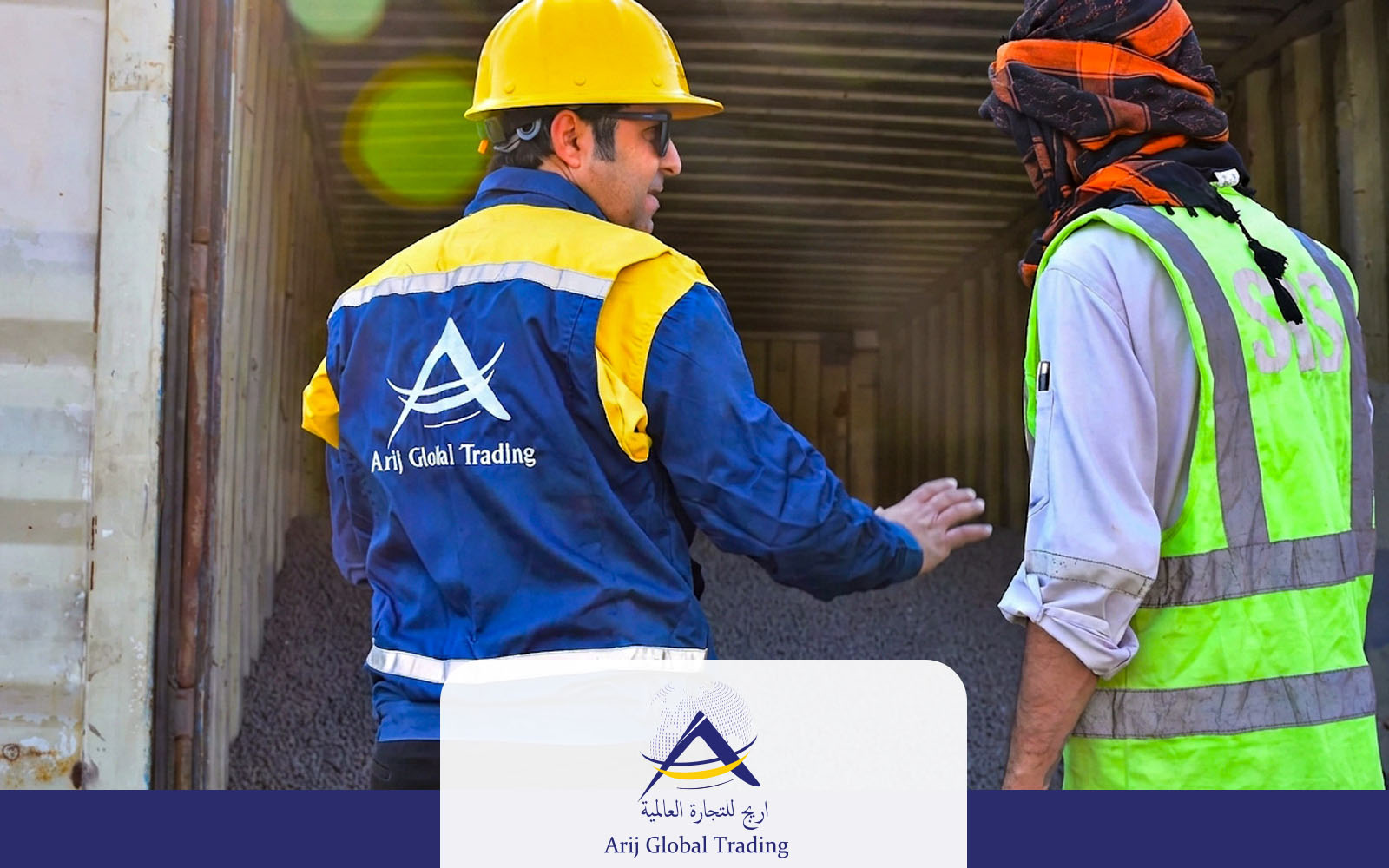
Quality inspection of Direct Reduced Iron (DRI) inside a shipping container by an Arij Global Trading representative wearing safety gear and discussing the cargo with an SGS inspector before export.
Executive Summary
South Asia is one of the world’s largest steel-producing regions, making Direct Reduced Iron (DRI) a strategic raw material for Electric Arc Furnace (EAF) and Induction Furnace operators. As infrastructure development and industrial investments accelerate across India, Bangladesh, Pakistan, Nepal, and Sri Lanka, the demand for consistent, high-quality DRI is surging.
For procurement managers, sourcing DRI is about much more than finding the lowest price. Product metallization, chemical consistency, supplier reliability, and logistics risk management all directly influence furnace efficiency. This guide, prepared by Arijco, provides a professional framework for bulk DRI procurement to ensure high-performance feedstock for modern steelmaking.
Bulk Direct Reduced Iron (DRI) Procurement at a Glance
Bulk Direct Reduced Iron (DRI) is a high-purity metallic iron feedstock widely used in Electric Arc Furnace (EAF) and Induction Furnace steelmaking. Successful procurement depends on selecting a reliable supplier, verifying metallization and chemical composition, complying with IMSBC shipping regulations, and managing long-term pricing and logistics risks. Steel producers in South Asia increasingly prioritize quality consistency over short-term price advantages to maximize furnace efficiency.
The Economic Realities of DRI Procurement
The global direct reduced iron market is highly volatile, driven by fluctuations in natural gas prices, iron ore pellet premiums, and ocean freight indices such as the Baltic Dry Index. For steel mills in South Asia operating on tight margins, relying only on the spot market to buy DRI can create serious financial exposure. A sudden surge in regional energy costs can immediately inflate the DRI price, disrupting production budgets and long-term planning.
What Is Direct Reduced Iron (DRI)?
Essentially, Direct Reduced Iron (DRI), also known as sponge iron, is a metallic product produced by reducing iron ore in its solid state without melting it. In contrast to pig iron produced in blast furnaces, DRI is manufactured using reducing gases such as hydrogen and carbon monoxide. As a result, this creates a high-purity metallic product with low residual impurities. Therefore, its chemical consistency and high metallic iron (FeM) content make DRI an essential raw material for modern steelmaking. Thus, Arijco ensures that our DRI solutions meet the most stringent metallurgical requirements.
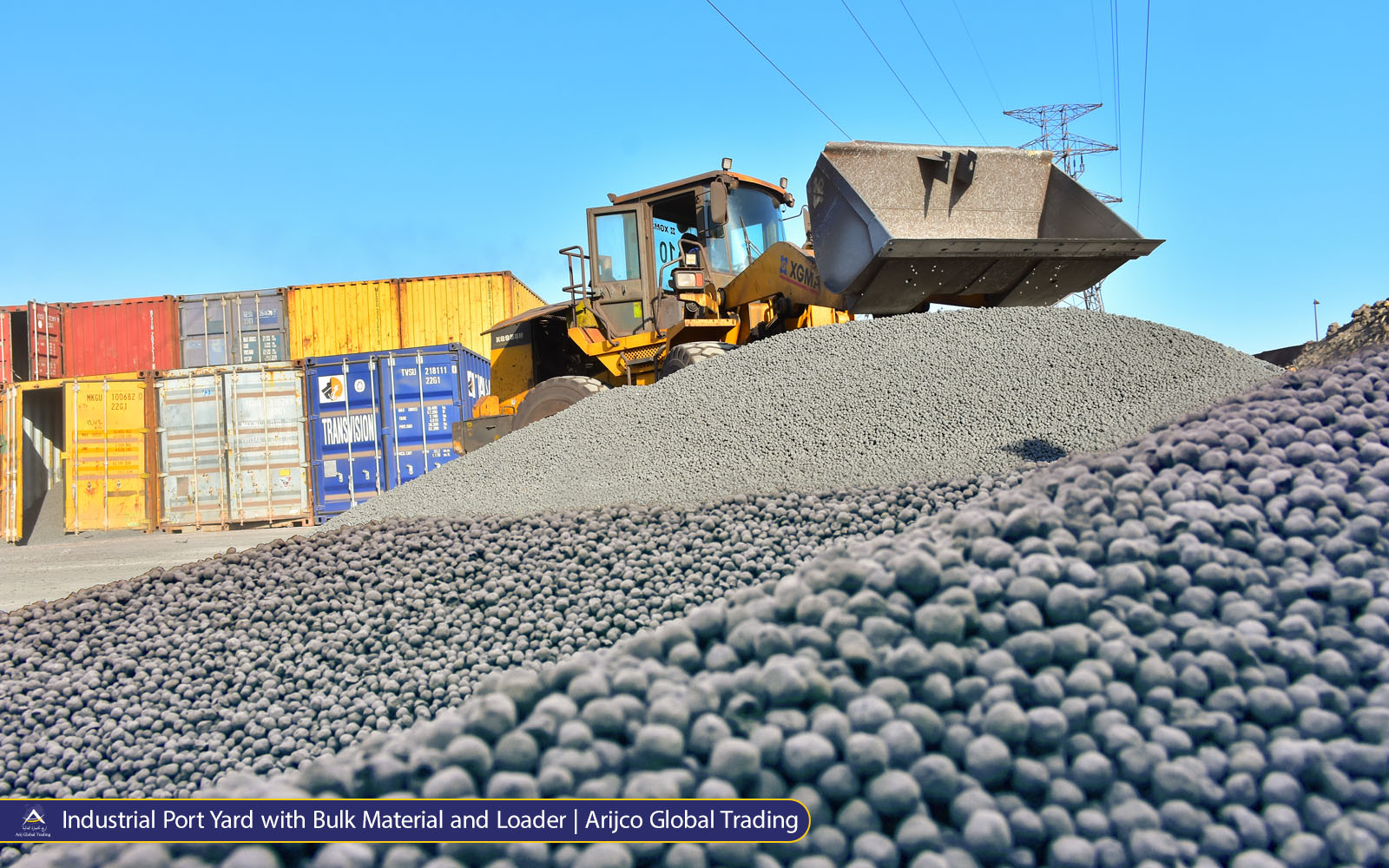
Comparative Analysis: Selecting the Right Feedstock
Technical Specifications: The Arijco Quality Standard
When partnering with an bulk DRI supplier, your procurement team can rely on strict adherence to chemical and physical limits. Deviation from these standards can lead to increased slag volume and higher energy consumption in your EAF.
Standard Chemical & Physical Benchmarks
- Total Iron (Fe): ≥ 90.0% (Optimized for maximum metal yield.)
- Metallization (FeM): ≥ 92.0% (Arijco standard for electricity savings.)
- Carbon (C): 1.5–2.5% (Stable internal energy source.)
- Phosphorus (P): ≤ 0.03% (Ensuring no steel embrittlement.)
- Sulfur (S): ≤ 0.02% (Preventing hot shortness and cracking.)
- Moisture Content: < 1.0% (Mandatory for safe shipping.)
Strategic Procurement Framework
First and foremost, a reliable sponge iron supplier must be more than a price leader. At Arijco, we evaluate our production chain based on three pillars. Primarily, we prioritize gas-based reduction for higher metallization. Additionally, we focus on seamless handling of South Asian port regulations. Finally, we ensure rigorous third-party inspection (SGS/Intertek) on every shipment.
Supplier Evaluation & The Arijco Advantage
A reliable sponge iron supplier must be more than a price leader. At Arijco, we evaluate our production chain based on:
- Production Technology: Prioritizing gas-based reduction for higher metallization.
- Export Capability: Seamless handling of South Asian port regulations.
- Quality Assurance: Rigorous third-party inspection (SGS/Intertek) on every shipment.
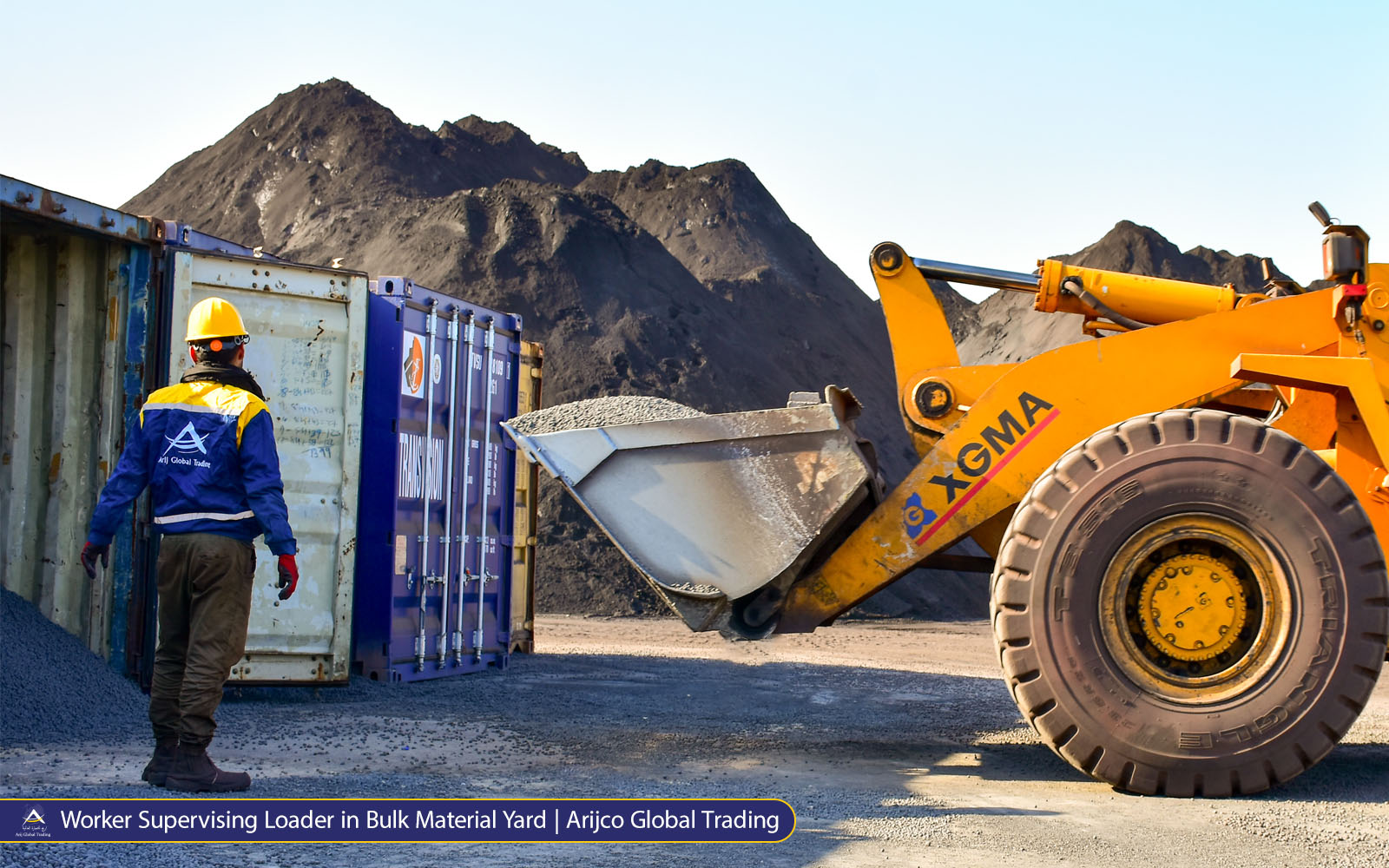
Logistics & Maritime Safety
For South Asian buyers importing via sea routes, moisture control and self-heating are the single greatest operational and financial risks. Under the International Maritime Solid Bulk Cargoes (IMSBC) Code, Cold DRI (CDRI) is classified as a Group B cargo (hazardous material) due to its high reactivity with water.
To mitigate these hazards, Arijco, as a professional DRI exporter, enforces strict preventative measures:
- Atmosphere Control: We utilize dry-bulk carriers equipped for continuous nitrogen purging to keep oxygen levels below 5% throughout the voyage.
- Temperature Monitoring: Daily temperature checks are mandatory; any cargo exceeding 65°C during loading is rejected to prevent thermal runaway.
- Monsoon Management: For shipments discharging at high-humidity ports, we schedule shipments outside peak monsoon seasons and mandate double-tarping during barge transfers.
Pricing Factors & Risk Mitigation
The global DRI market is highly volatile, driven by fluctuations in natural gas prices, iron ore pellet premiums, and ocean freight indices. Steel mills in South Asia operating on tight margins cannot afford the financial exposure of relying solely on the spot market.
To protect your operating margins, Arijco acts as your strategic DRI supplier, facilitating structured supply agreements through these mechanisms:
- Index-Linked Formula Pricing: We design pricing mechanisms linked directly to transparent global benchmarks, such as Platts iron ore indices or regional steel scrap values.
- Hybrid Off-Take Agreements: We help clients implement structured off-take agreements where a baseline volume is secured at a stable price, while the remaining 30% is left open for opportunistic spot purchases.
- Freight Hedging: By partnering with top-tier shipowners, we secure long-term contracts of affreightment (COA) to lock in competitive shipping rates to South Asian ports.
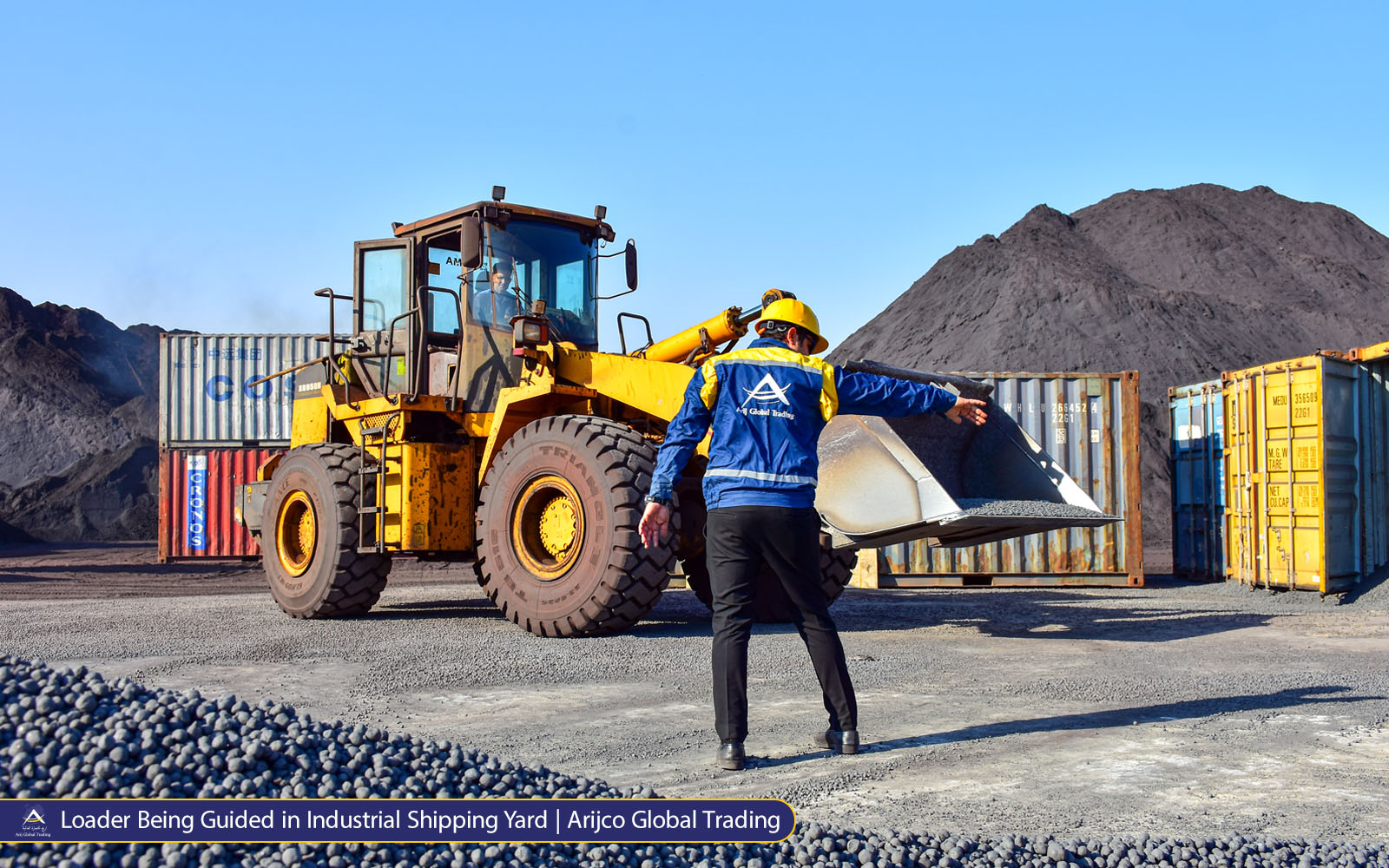
The Arijco Buyer’s Professional Checklist
Phase 1: Technical & Quality Verification (Pre-Contract)
-
Before finalizing any commitment, a professional DRI supplier must provide verified data against your requirements:
- Chemical Grade Compliance: Have you cross-referenced the supplier’s Certificate of Analysis (COA) with your EAF’s specific metallurgical requirements (especially P and S levels)?
- Metallization Benchmarking: Is the minimum metallization rate (FeM) contractually guaranteed at ≥92%?
- Sieve Analysis Report: Has a recent sieve test been provided to confirm that “fines” (material <4mm) do not exceed 5% of the total bulk?
- Moisture Threshold: Is there a strict contractual limit of <1.0% moisture to prevent auto-ignition and hydrogen evolution?
Phase 2: Documentation & Compliance (Contractual)
- Third-Party Inspection (PSI): Is an independent inspection by SGS, Intertek, or Bureau Veritas mandated at the loading port?
- Incoterms Clarity: Is the responsibility for freight and insurance clearly defined (e.g., CFR vs. FOB)?
- Certificate of Origin: For duty-related benefits in South Asian markets, is the origin documentation verified and ready?
- IMSBC Code Compliance: Does the shipping contract explicitly confirm that the cargo meets the safety requirements for Group B bulk cargoes?
Phase 3: Logistics & Risk Management (During Transit)
- Vessel Suitability: Has the carrier confirmed the use of dry-bulk vessels with advanced ventilation systems?
- Temperature & Atmosphere Protocols: For CDRI shipments, are there clear instructions for nitrogen purging and temperature monitoring during the voyage?
- Port Discharge Readiness: Have you coordinated with the destination port (e.g., Chittagong or Mundra) to ensure rapid discharge capability, minimizing expensive demurrage risks?
- Monsoon Contingency: If discharging during the monsoon season, is there a plan for covered warehousing or immediate transfer to prevent re-oxidation?
Conclusion
Navigating the volatile South Asian DRI market requires more than a vendor; it demands a strategic partner.. As 2026 progresses, your EAF operations depend on mastering the intersection of rigorous technical standards, IMSBC safety, and freight volatility.
At Arijco, we bridge the gap between global supply and regional demand. As your trusted DRI supplier, we ensure your raw materials remain cost-efficient, high-purity, and fully compliant. Don’t let market fluctuations compromise your capacity; integrate our procurement protocols to secure a resilient, AI-ready supply chain designed for operational excellence.
How can South Asian steel mills ensure DRI quality during high-humidity seasons?
To mitigate moisture-related risks during the monsoon, it is critical to source from a DRI supplier that implements strict moisture controls (<1.0%) and utilizes covered warehousing or rapid discharge protocols at ports like Chittagong or Mundra. Arijco specializes in these climate-specific logistics to prevent re-oxidation.
What are the primary drivers of DRI price volatility in 2026?
Prices are primarily influenced by fluctuations in natural gas feedstocks, iron ore pellet premiums, and ocean freight indices. To hedge against this, many buyers are moving away from spot markets toward structured procurement models offered by reliable DRI exporters to stabilize long-term operational costs.
Why is IMSBC compliance critical for CDRI shipments?
Cold DRI (CDRI) is classified as a Group B hazardous cargo under the IMSBC Code due to its reactivity with water. Compliance ensures that specialized vessels with nitrogen purging and temperature monitoring are used, preventing catastrophic thermal runaway during transit a standard safety protocol maintained by Arijco.
What is the ideal metallization rate for modern EAF operations?
For the best results in modern Electric Arc Furnace (EAF) operations, you should always prioritize high-grade metallization. This is the key to reducing your electricity consumption and maximizing your total metal yield.
When vetting a supplier, never skip independent third-party inspections; verifying these quality benchmarks is the only way to guarantee the consistent, high-performance material your production line demands.
How does Arijco support sustainable “Green Steel” transitions?
By providing high-purity, high-metallization DRI, we enable steelmakers to reduce their carbon footprint in the Direct Reduction process. Our commitment to quality ensures that your raw materials meet the stringent requirements of modern, low-emission EAF technologies.
What is the difference between DRI and HBI?
Direct Reduced Iron (DRI) is produced through the direct reduction of iron ore without melting. Hot Briquetted Iron (HBI) is compressed DRI manufactured under high temperature and pressure, resulting in higher density and improved resistance to oxidation during transportation. HBI is generally preferred for long-distance maritime shipments, while standard DRI remains widely used for regional steel production
Why is moisture dangerous for DRI?
Moisture reacts with metallic iron inside DRI and may generate hydrogen while accelerating oxidation. Excessive moisture can increase the risk of self-heating during transportation. Maintaining moisture below specified limits and complying with IMSBC handling procedures are essential safety practices.