
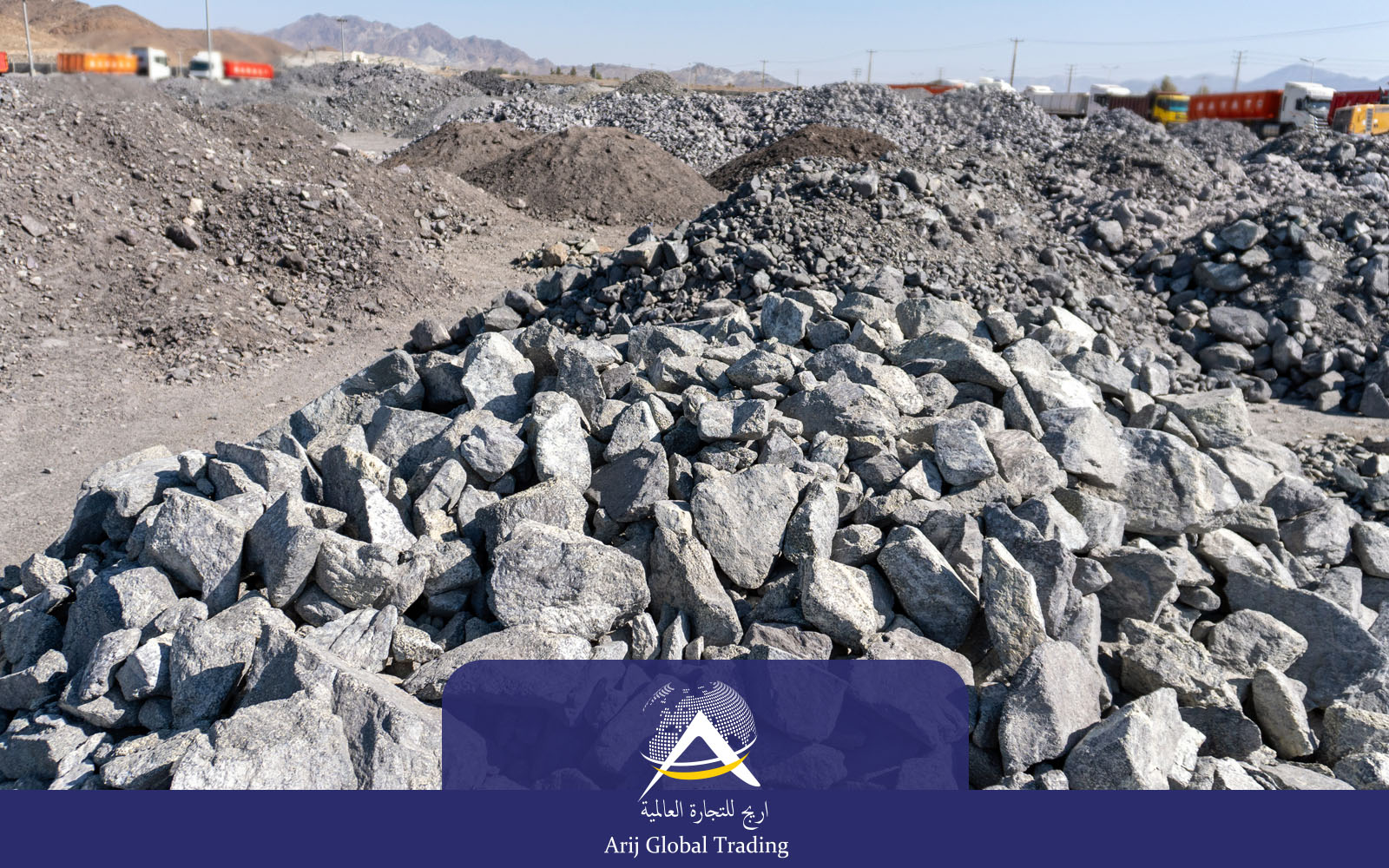
About Company and Product in Target Region
Integrated GCC Sourcing and Industrial Supply Model
In particular, the Persian Gulf has become one of the most strategically important sourcing corridors for industrial chromite ore, especially 42% Cr₂O₃ material used in ferrochrome and stainless steel production. Furthermore, for industrial buyers in South Asia and China, sourcing is no longer a simple purchasing activity but a structured supply chain decision that directly influences furnace efficiency and alloy output stability.
GCC Sourcing and Supply Chain Structure
As a result, selecting a reliable chromite supplier is essential because supply consistency, chemical stability, and logistics precision directly determine operational performance in submerged arc furnace operations. At Arij Global Trading (Arijco), sourcing strategy is built around verified mine partnerships, structured quality control, and export coordination across GCC logistics corridors serving ferroalloy and stainless steel producers in Asia.
Mining Origin and Quality Control System
Moreover, Our sourcing framework is built on verified mining origins, controlled blending, and structured export coordination through GCC hubs such as Jebel Ali, Sohar, and Bandar Abbas. This ensures that industrial buyers receive consistent material specifications aligned with metallurgical requirements.
In addition, For buyers seeking structured sourcing visibility, the integrated chromite supply system provides end-to-end transparency from mine origin to shipment delivery.
Why Buyers Monitor Market Trends
Persian Gulf 42% Chromite Ore Procurement Strategy for Industrial Buyers
Pricing Behavior and Global Procurement Strategy
Furthermore, Chromite pricing in Persian Gulf trade routes is influenced by multiple macroeconomic and industrial factors. These include ferrochrome demand cycles, stainless steel production rates, freight fluctuations, and geopolitical shipping conditions.
Key Drivers of Chromite Pricing
A professional chromite trader plays a key role in balancing these market fluctuations by ensuring continuous supply flow between mining regions and industrial consumers across Asia. Without this coordination, supply gaps can disrupt furnace operations and increase production costs.
Freight and Delivered Cost Structure
Moreover, Freight cost volatility across Indian Ocean routes has a direct impact on landed pricing. As a result, buyers now evaluate total delivered cost instead of FOB-only pricing models. This includes shipping, insurance, port handling, and inland logistics.
In addition, currency fluctuations in USD-based contracts affect sourcing timing. This often changes the buying schedule of industrial buyers in China and South Asia.
Imported vs Local Supply Comparison
Metallurgical Consistency and Furnace Efficiency
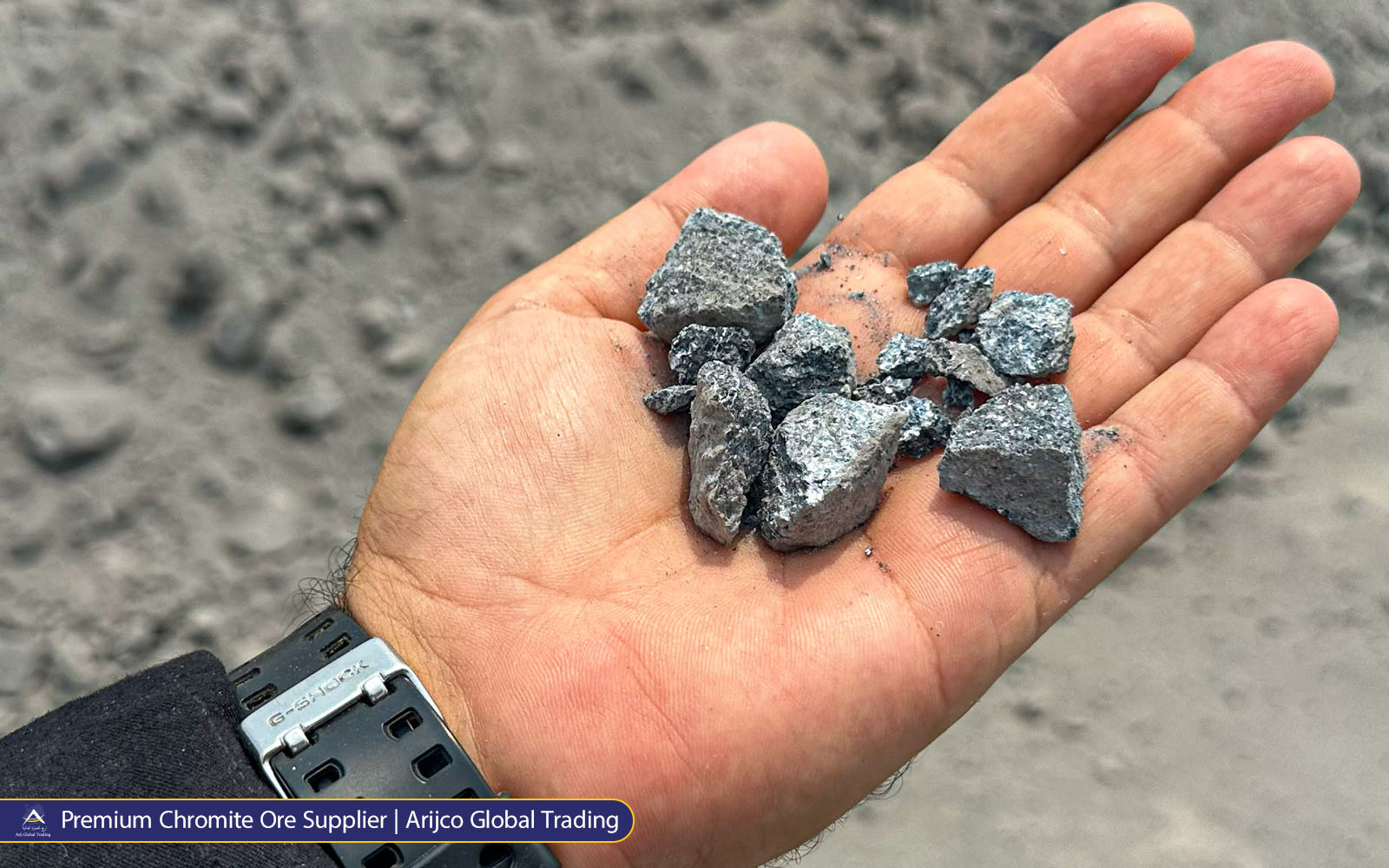
Imported 42% chromite from GCC sources generally provides more stable chemical composition compared to fragmented local supply networks. This stability is critical for ferrochrome producers operating submerged arc furnaces, where even minor variations in Cr₂O₃ content can impact slag formation and energy efficiency.
Local Supply Chain Limitations
Local supply chains may offer shorter delivery timelines; however, they often introduce variability in silica, alumina, and moisture levels. These inconsistencies can increase operational risks and reduce furnace efficiency over time.
By contrast, imported material ensures predictable metallurgical performance, although it introduces exposure to shipping delays and logistics risks. Therefore, buying strategies must balance operational stability with supply chain exposure.
A structured chromite exporter mitigates these risks through controlled shipment scheduling, inspection verification, and documentation compliance across GCC export corridors.
Logistics and Supply Chain Performance
GCC Export Routes and Delivery Reliability
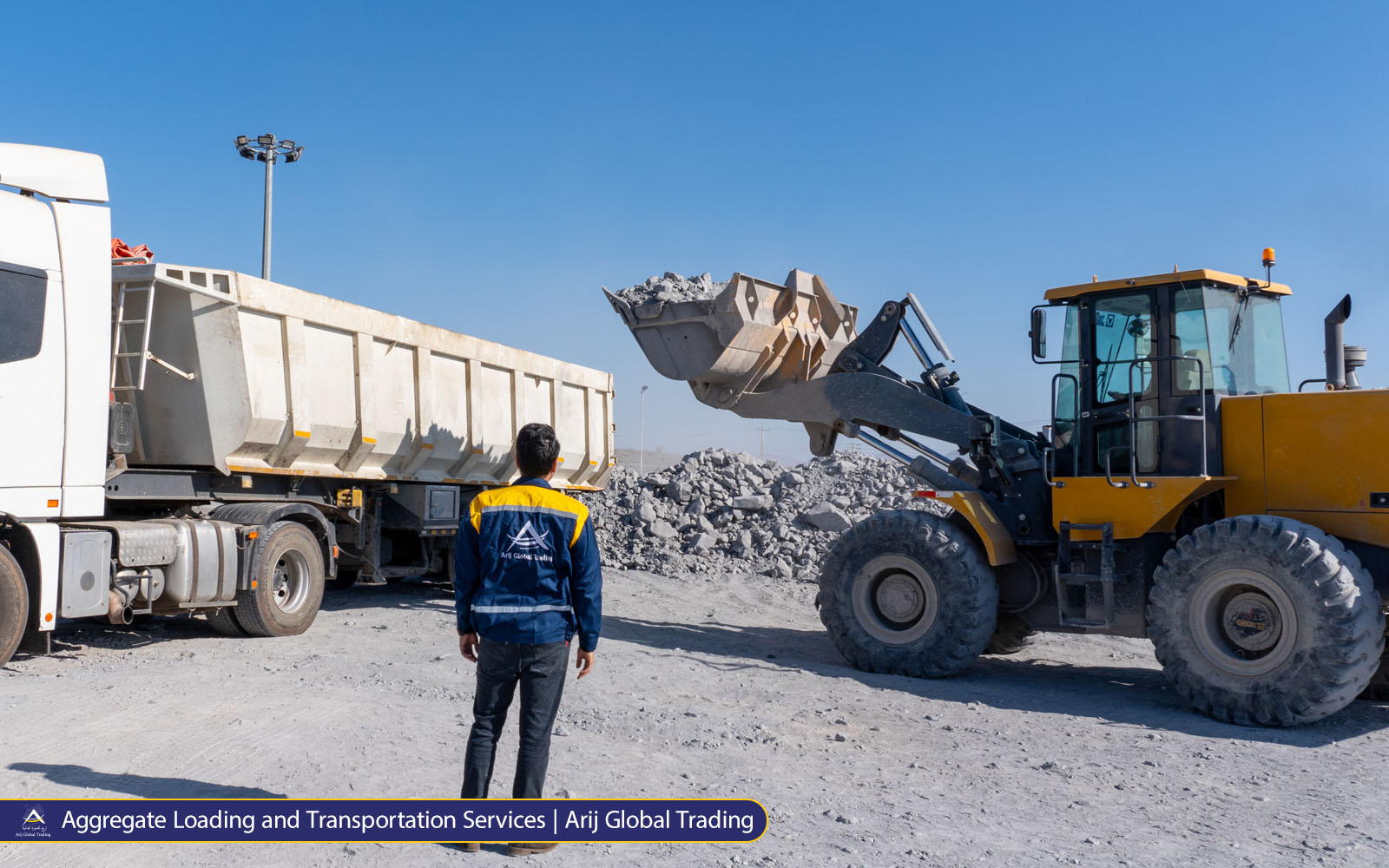
Arijco coordinates shipment planning through key Persian Gulf export terminals while integrating inspection protocols, cargo tracking, and documentation verification into every supply cycle. This logistics structure helps industrial buyers reduce demurrage exposure, shipment delays, and operational uncertainty across international trade routes.
Moisture Control and Cargo Integrity
Moisture control is a critical factor in maintaining cargo integrity, especially during monsoon-affected discharge operations in ports such as Mundra and Vizag. Poor moisture management can increase stowage factor and reduce vessel efficiency.
Customs clearance requires accurate documentation, including assay reports, SGS inspection certificates, and cargo manifests. Any discrepancy can result in shipment delays, demurrage charges, and operational disruptions.
In addition, market-linked pricing structures depend heavily on real-time evaluation of chromite price movements, freight indices, and global ferrochrome demand trends.
Financially, long-term contracts often rely on letter of credit mechanisms, ensuring security for both buyers and suppliers while maintaining shipment reliability across international trade routes.
Case Example / Buyer Experience
A South Asian ferrochrome producer previously experienced instability in furnace operations due to inconsistent chromite sourcing from multiple fragmented suppliers. This led to fluctuating slag chemistry, increased energy consumption, and reduced production efficiency.
Operational Challenges in Chromite Supply
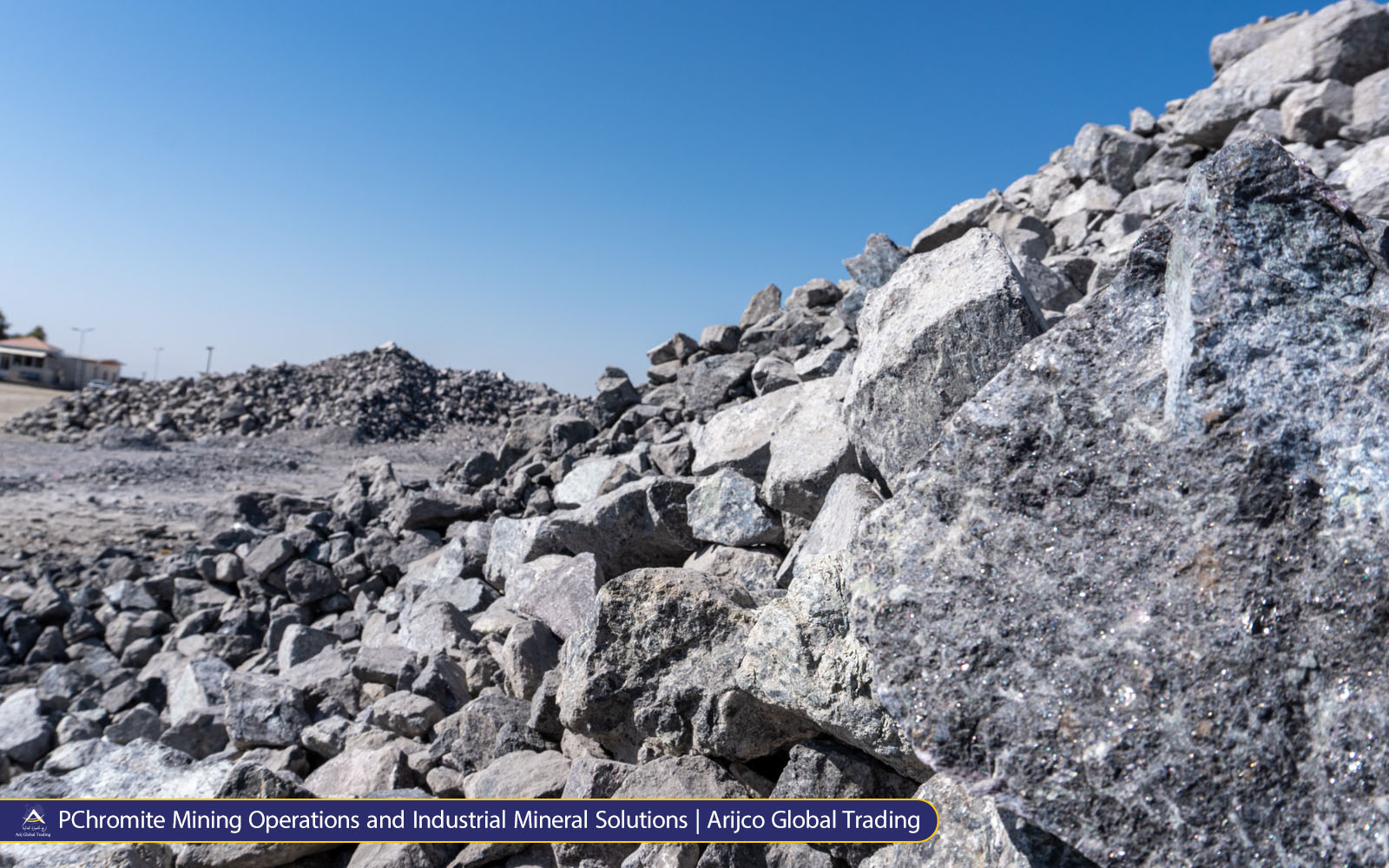
To resolve this, sourcing was centralized through a structured Persian Gulf supply model using consistent 42% Cr₂O₃ material. The buyer transitioned to standardized sizing and verified assay documentation.
A reliable chromite producer ensured batch consistency and reduced variation in furnace feed chemistry.
As a result, furnace performance stabilized, energy consumption decreased, and production planning became more predictable. The buyer ultimately shifted from spot purchasing to long-term contractual sourcing.

Long-Term Partnership Strategy
Supply Stability and sourcing Engineering
In modern ferroalloy markets, long-term supply stability is more valuable than short-term price advantages. Buyers increasingly prioritize structured sourcing systems that guarantee consistent material flow aligned with furnace consumption cycles.
A professional chromite supplier must therefore provide not only competitive pricing but also transparency in mining origin, blending methodology, and quality assurance systems. These factors directly influence production stability in downstream steel manufacturing.
Role of Supplier Transparency in Ferroalloy Markets
Over time, buying relationships evolve into strategic industrial partnerships rather than transactional trade arrangements. Arij Global Trading positions itself within this framework by combining technical product understanding, logistics engineering, and client-centric supply support designed specifically for ferroalloy and stainless steel industries.
This long-term approach reduces exposure to global price volatility and strengthens operational planning across ferrochrome production facilities.
What is 42% chromite ore used for in industrial applications?
42% Cr₂O₃ chromite ore is primarily used in ferrochrome production, which is a key input for stainless steel manufacturing and other ferroalloy processes.
Why is Persian Gulf chromite important for ferroalloy producers?
Persian Gulf chromite is strategically important due to its stable supply routes, consistent quality grades, and well-developed GCC export logistics infrastructure.
What factors influence chromite pricing in global markets?
Chromite pricing is influenced by freight rates, Cr₂O₃ grade quality, global ferrochrome demand, exchange rates, and supply availability from mining regions.
What specifications are required for submerged arc furnace (SAF) use?
For SAF operations, chromite typically requires around 42% Cr₂O₃ content, controlled moisture levels, and suitable lump sizing (generally 10–100 mm) for stable furnace performance.
How does Arijco support chromite procurement for industrial buyers?
Arijco provides structured sourcing, quality verification, logistics coordination, and long-term supply planning for ferroalloy and stainless steel producers across Asia and GCC trade routes.